
About the Watershed Initiative
Tennessee has over 60,000 miles of rivers and streams and more than 75,000 acres of lakes that source our domestic, agricultural and industrial water supply. We all live in a watershed and when we take care of our watershed, rivers and streams, we are rewarded with cleaner drinking water, better recreational opportunities, healthier fish, and a better environment and economy. TEC works with local communities to educate, conserve and restore the health of Tennessee’s watersheds for people, plants and animals. The most recent watershed data about Tennessee shows that more than half of our state’s rivers, streams, lakes and wetlands are impaired, or in poor biological health. These waters are the source of our drinking water supplies, and where we go to fish, float, swim and irrigate our crops. Check out Tennessee’s complete list of impaired waters here.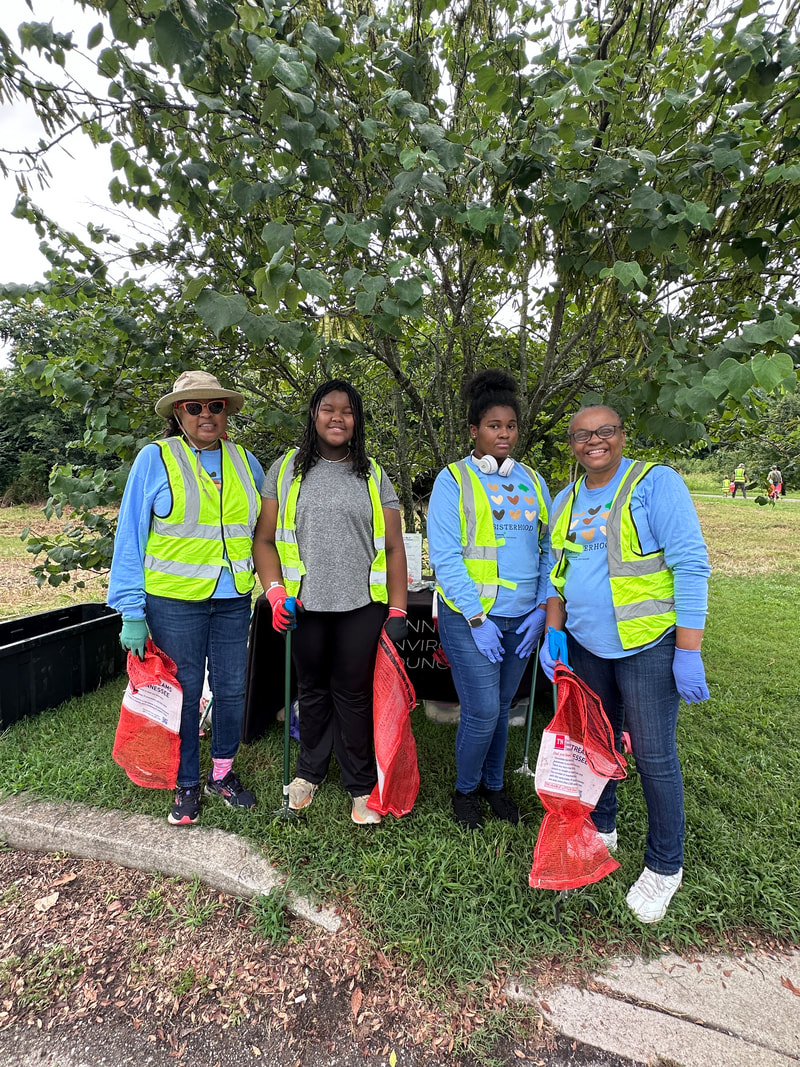
Tennessee's Waters
A Statewide Stewardship Challenge
All mapped surface waters and watersheds of Tennessee, with EPA-listed impaired streams shown in red

Active
Restoration Projects
Murfreesboro, TN
Lytle Creek
Our restoration work in the Stones River Watershed is focused on restoring up to 5,000 linear ft of Lytle Creek, a tributary to the Stones River. Restoration project activities include, but are not limited to, bank stabilization, riparian reforestation, livestock exclusion/crossing, alternative water supply, and installing rain gardens.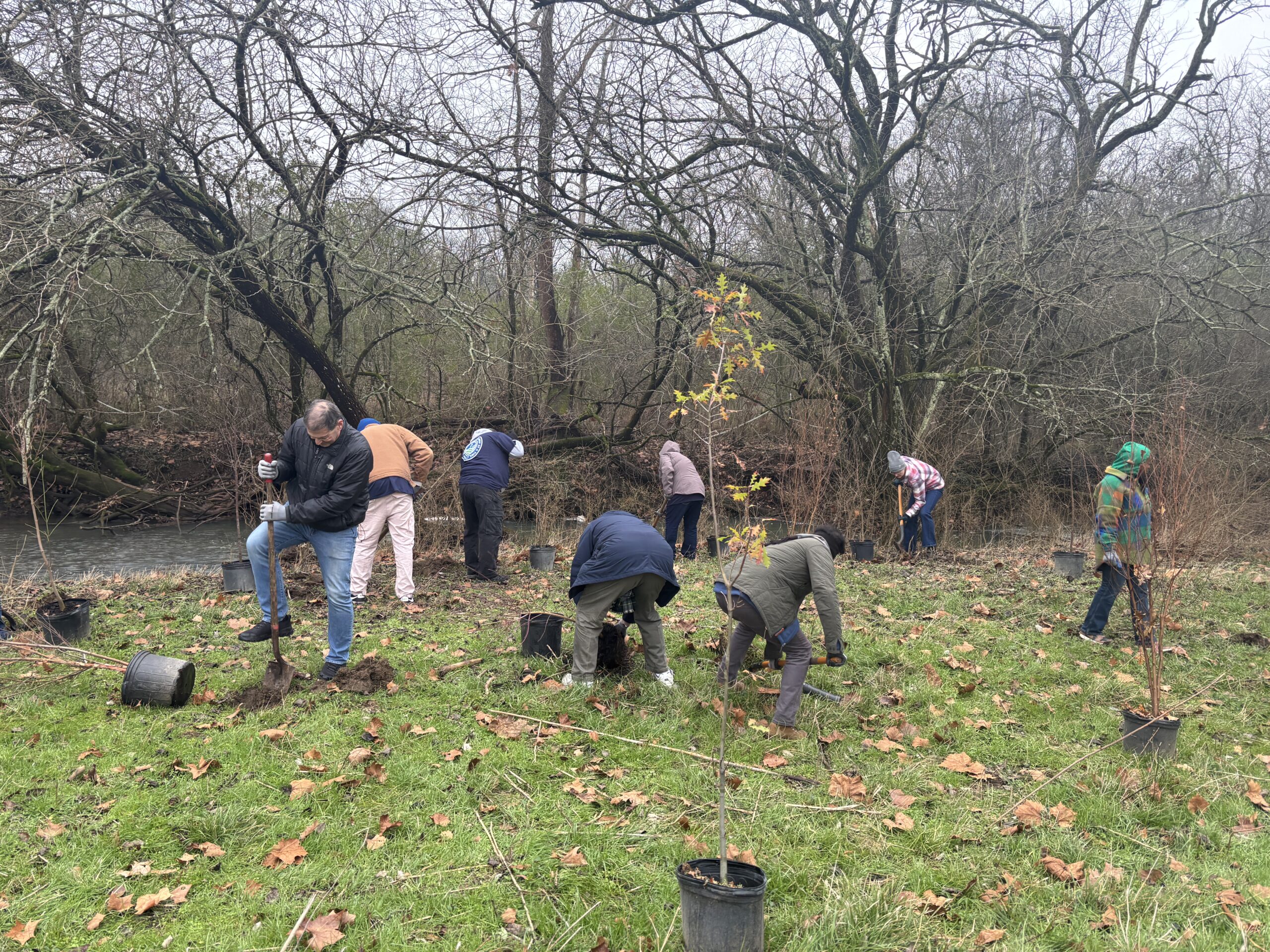
Franklin, TN
Donelson Creek
Our restoration work in the Harpeth River Watershed is focused on restoring 1,000 linear ft of Donelson Creek, a tributary to the Harpeth River. We are planting native trees, grasses, shrubs, and wildflowers; removing invasive species; installing rain gardens and pollinator gardens; and bank stabilization. This project is taking place at Moore Elementary School. We’re excited to partner with the school and educate the importance of a healthy watershed to the students and teachers.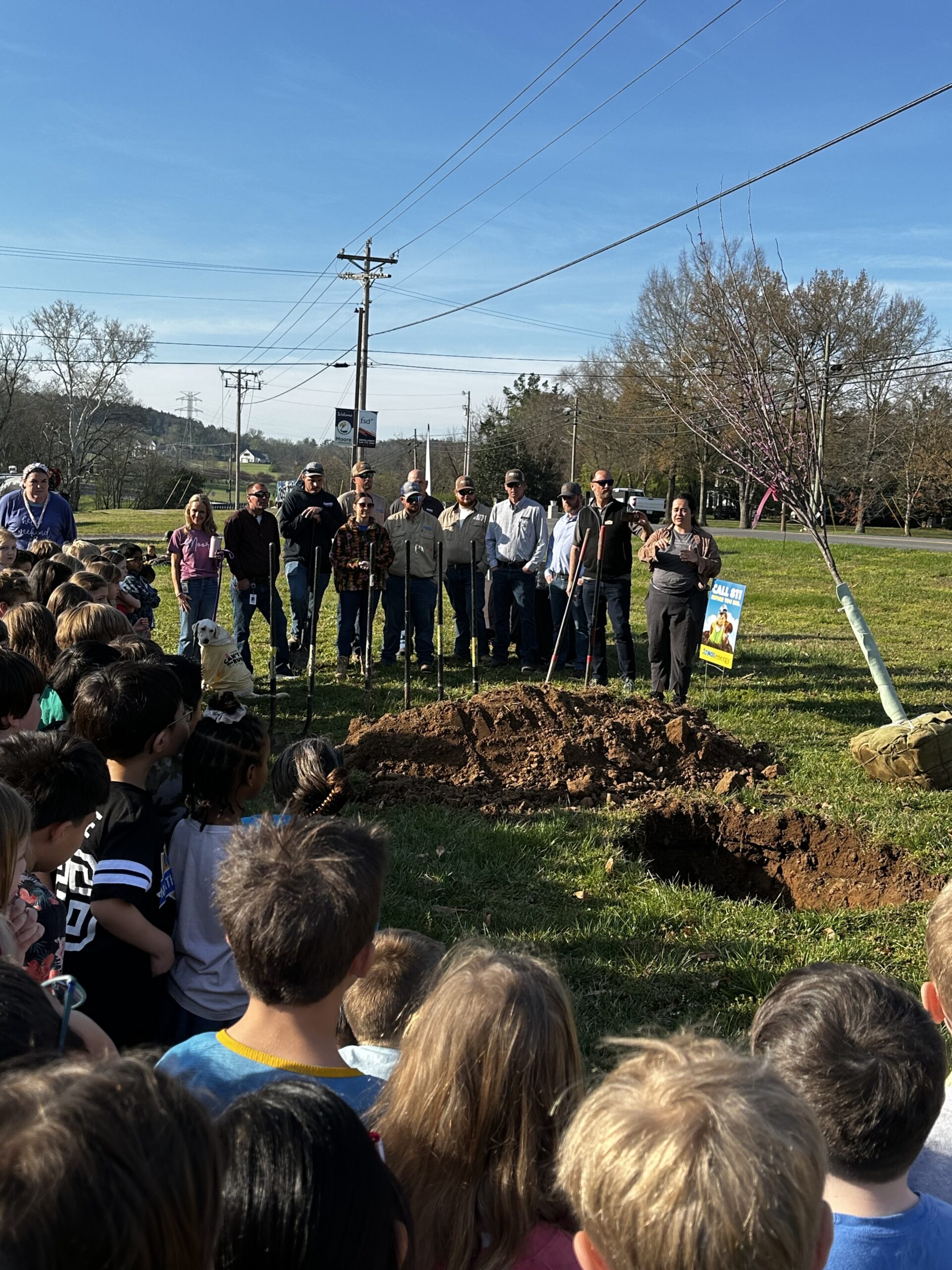
Nashville, TN
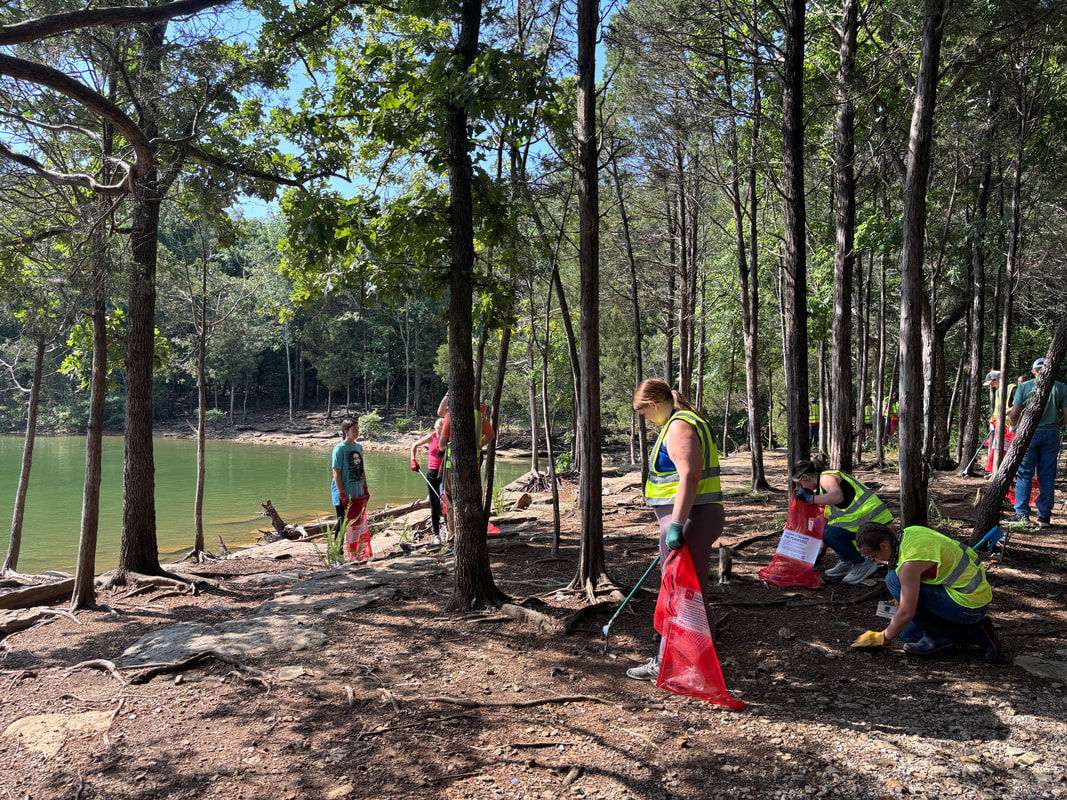
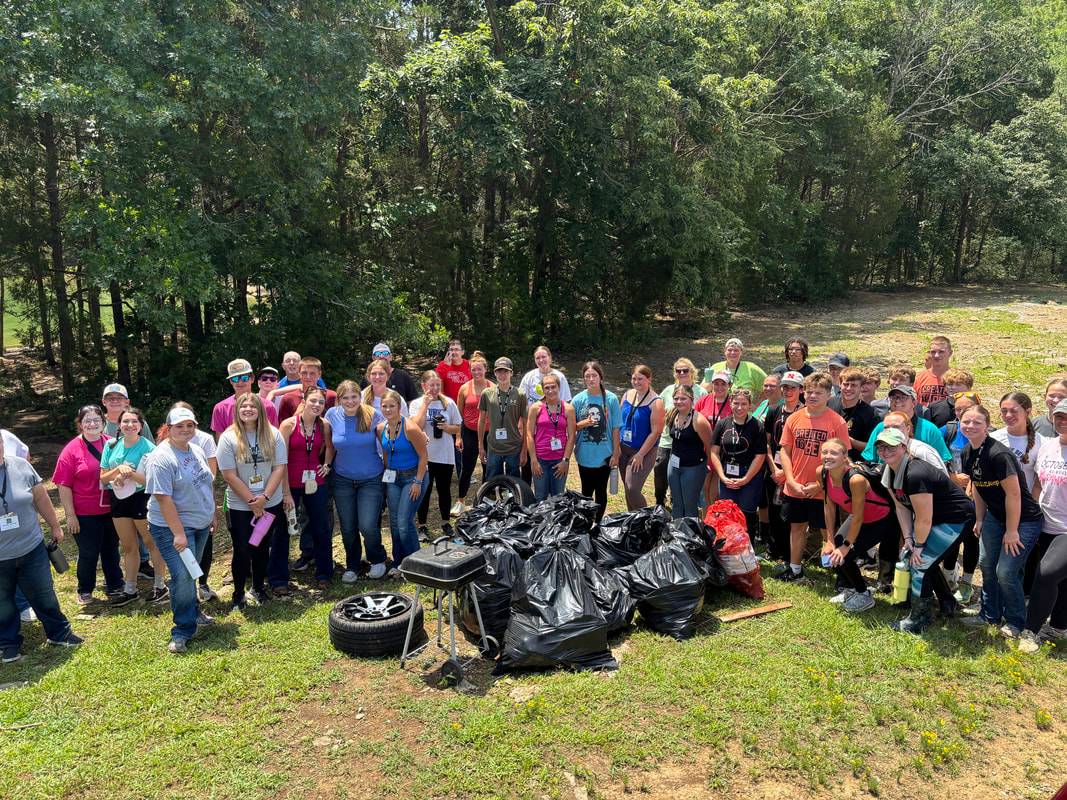
Riparian Buffer Zone Litter Cleanup Series
We are organizing 15 individual litter cleanup events and a county-wide cleanup in Davidson County between January 2026 and June 2027. Our goal is to remove 15,000 pounds of debris from waterways within Nashville. The Greater Nashville Litter Cleanup is a county-wide cleanup event taking place during the weekend of May 1, 2027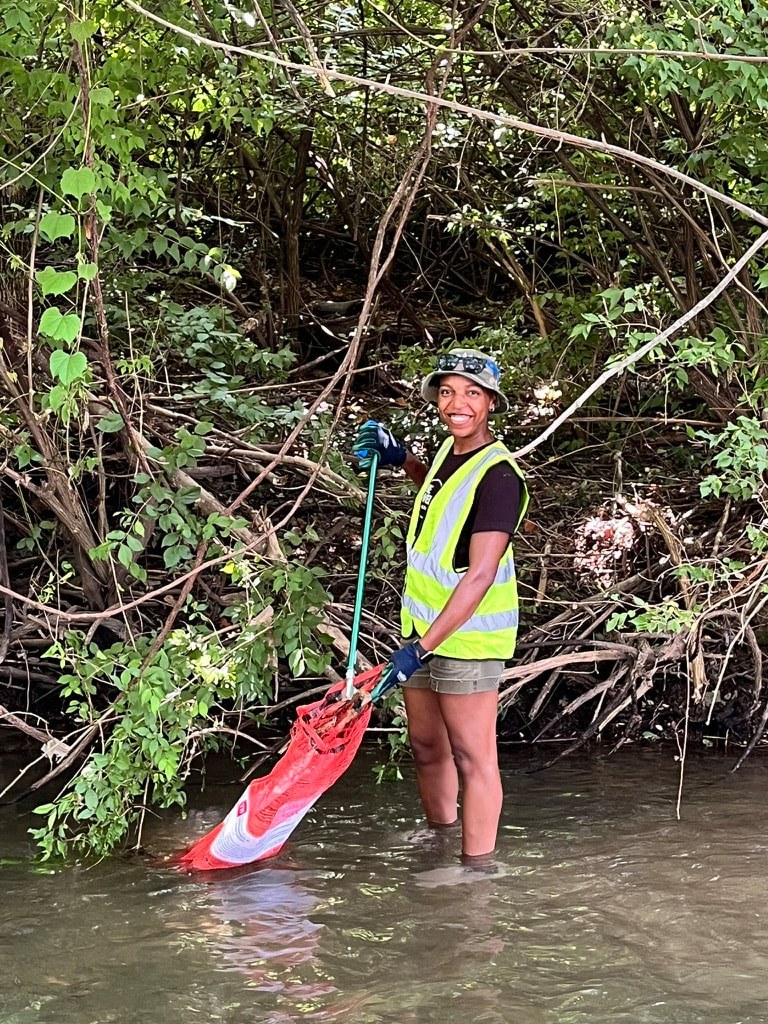
Key Priorities
-
Monitor
Monitor water and habitat quality by involving school and youth groups, civic groups and local residents to monitor local waterways, identify opportunities, and implement action plans to enhance water quality.
-
Curtail Erosion
Curtail stream bank erosion by installing bioengineering solutions on eroded banks to prevent erosion (the largest source for sediment pollution) and to rebuild the habitat for fish and aquatic life.
-
Reforest
Reforest stream banks to stabilize the soil, filter
pollutants, reduce flooding, and increase adjacent property values. -
Install Rain Gardens
Install rain gardens to reduce flooding, allowing stormwater to be absorbed by the plants and infiltrated into the ground. Watch this video to learn how rain gardens can help.
-
Litter cleanups
Litter cleanups help remove pollutants from entering our waterways, and it is our responsibility to protect them. They are home to countless species of fish, mammals, reptiles, amphibians, and birds. We are rewarded with cleaner drinking water, better recreational opportunities, healthier fish, and a better environment and economy.
-
COLLABORATING
We enjoy collaborating with municipal governments, schools, and private property owners to help protect and restore local waterways. If you know of a stream or river in need of restoration or cleanup efforts, please contact us at watershed@tectn.org. Our watershed team can assist with services such as watershed and water quality assessments, streambank stabilization, riparian and wetland restoration, low impact design services, rain garden design and implementations, and aquatic resource alteration permitting.
Watch our Watershed live stream
Special Thanks
Sponsors of TEC's Efforts to Improve Tennessee's watersheds














Past Restoration Projects
Grassy Branch
Our restoration work in the Rutherford Creek watershed is focused on planting trees and constructing rain gardens as well as building green infrastructure along 1,000 feet of stream bank of Grassy Branch Creek, a tributary of Rutherford Creek.
Garrison Creek
We began this project in Murfreesboro in the fall of 2012. In the fall of 2022, we’re partnering with Green Interchange to restore the upper section of this heavily impacted stream by planting 300 native trees and 1,000 live stakes (willow or other cuttings) along approximately 1,781 feet of the creek bank. We’ll also maintain about 100 trees in the lower section of Garrison Creek with mulch, pruning, and replacement as needed.
Duck River Opportunities Project (DROP)
prioritizes watershed restoration in the Duck River watershed. This river is one of the most biologically diverse river systems in the world. DROP, founded in 1999, continues to restore polluted tributaries through a combination of education, on-the-ground projects and policy initiatives.