

Join our community!
Join a community of Tennesseans creating habitat for pollinators. Whether it’s a backyard, schoolyard, library courtyard, or corporate campus, we’ll help you plant a garden that attracts, feeds, and shelters pollinating wildlife. Contact us at pollinator@tectn.org to get started! Click here to order seeds! Received your seeds already? Scroll down for instructional videos and other resources!About the Pollinator Initiative
Through TEC’s Pollinator Initiative, we engage Tennesseans in establishing new pollinator habitats statewide. We welcome all gardens, both big and small! By participating in this program, you are joining a vibrant community of Tennesseans who are committed to helping our pollinators, one garden at a time. Populations of many pollinator species, such as bees, butterflies, moths, beetles, and hummingbirds, have been negatively impacted by agricultural practices, including the use of synthetic pesticides, disease, and habitat loss. These creatures are experiencing a drastically different world compared to just a few decades ago.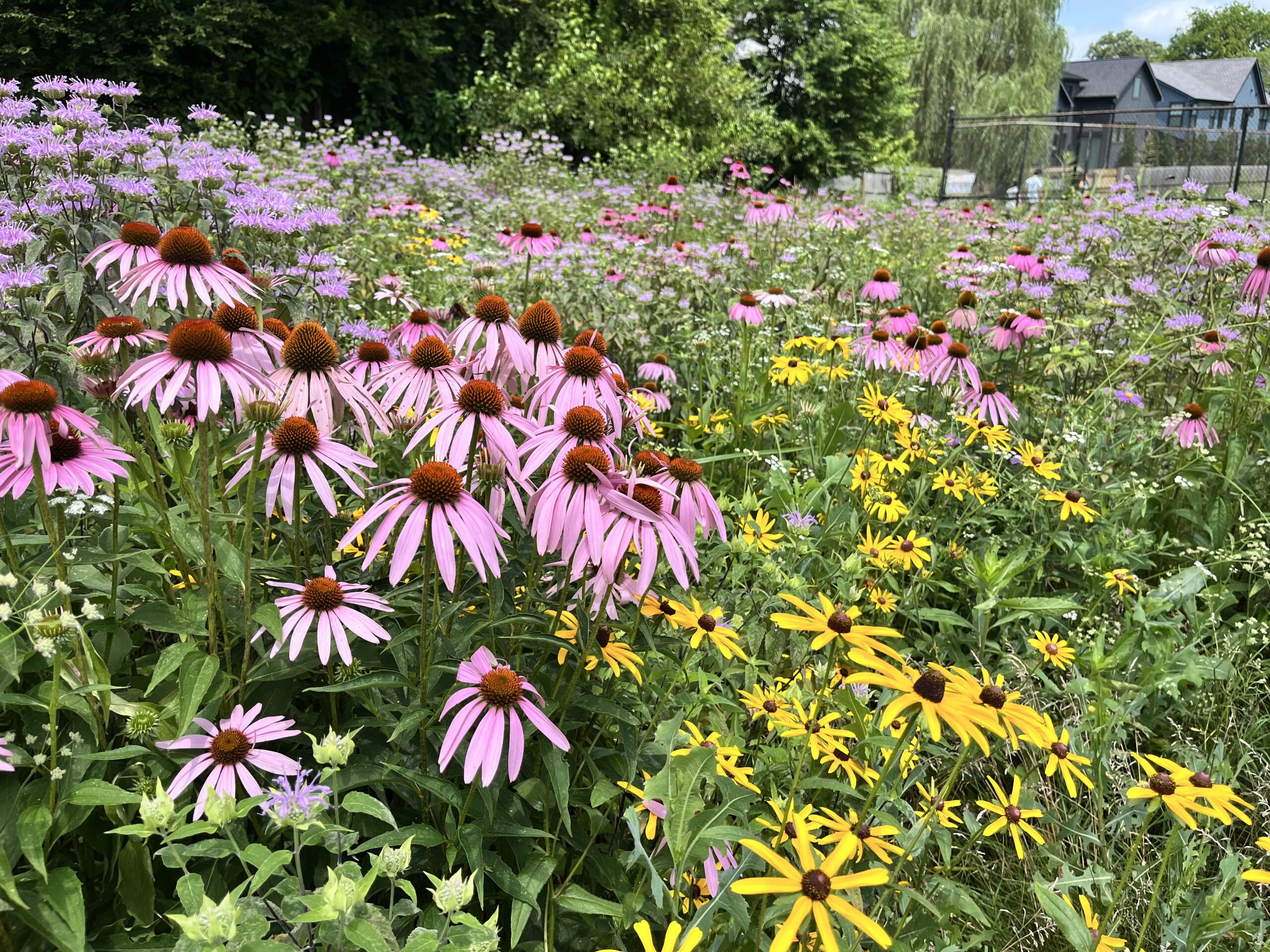
Native pollinators depend on native plants to provide habitat and food. plants need pollinators to help them reproduce.
In fact, pollinators assist in the reproduction of 75% of flowering plants worldwide. THAT’S HUGE! So, if we turn our manicured lawns, which provide little to no support for pollinators, into havens full of native flowers and wild grasses, we will effectively “Generate Some Buzz” and bring back these essential workers in full force!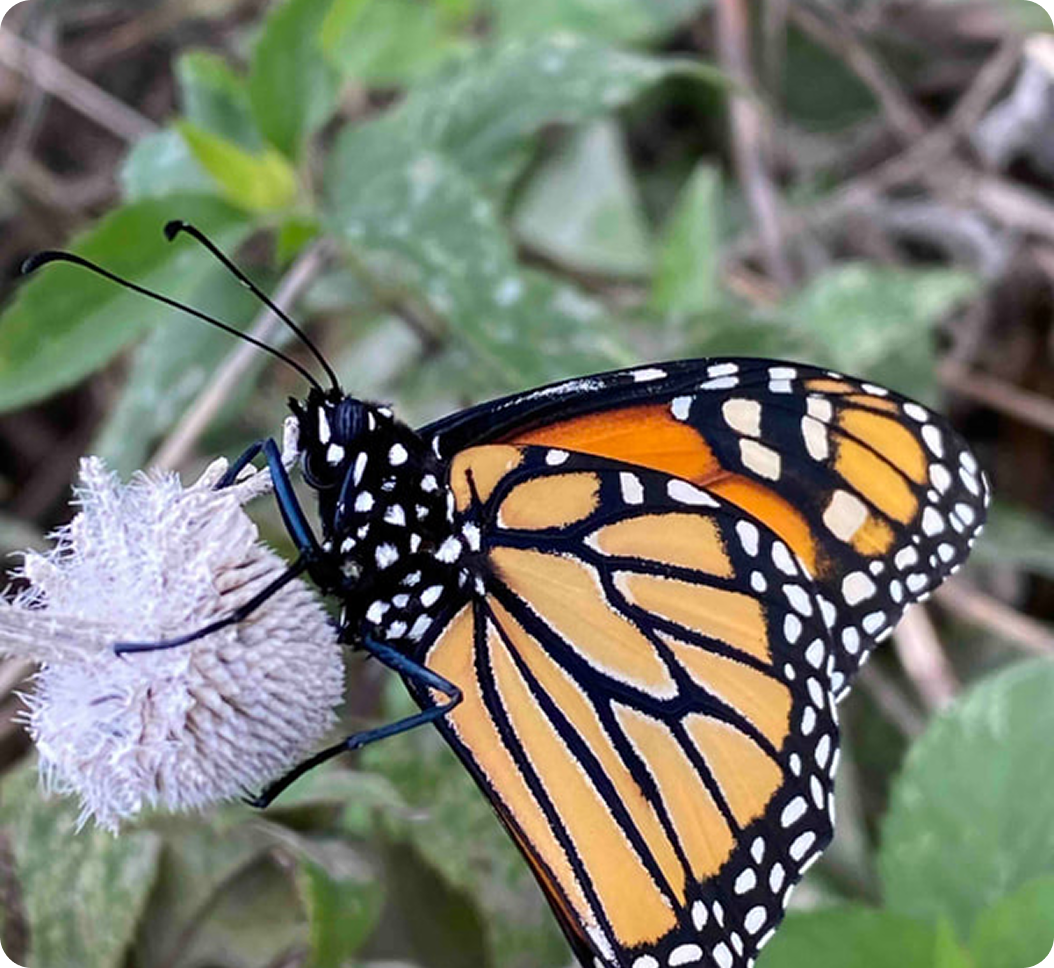
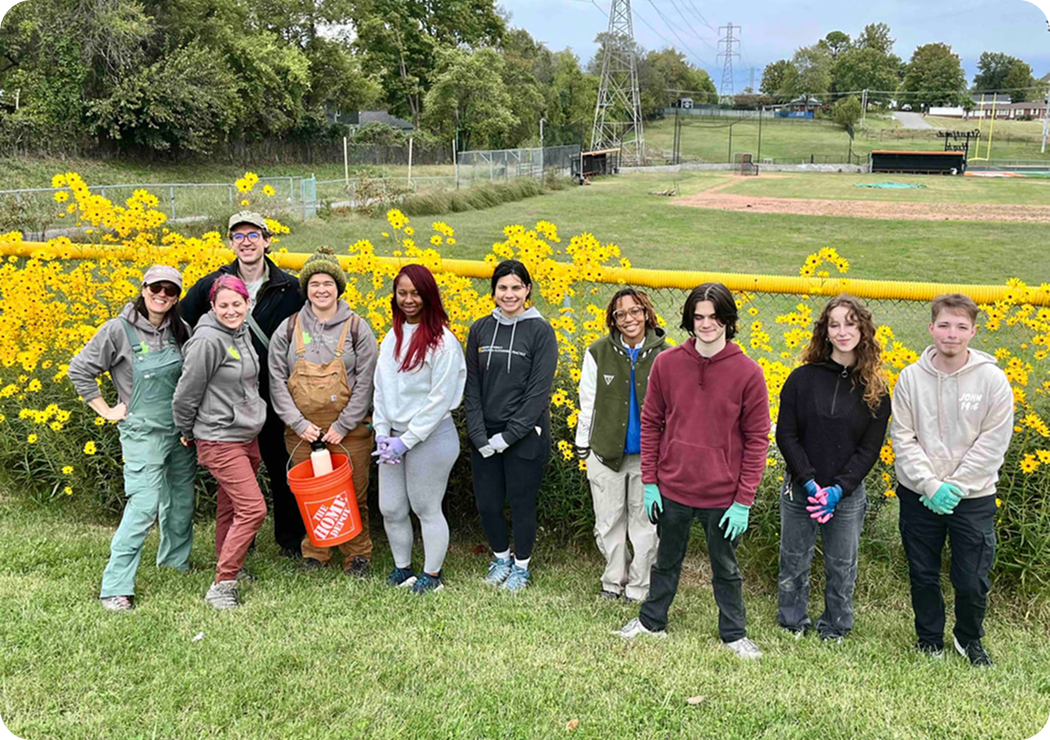
Native pollinator seed mixes available
Low-growing, drought-tolerant seed mix for urban gardens. Great for sidewalk strips & street-side planting.
Lance-leaved Coreopsis (Coreopsis lanceolata) , Common Yarrow (Achillea millefolium), Butterfly Milkweed (Asclepias tuberosa) , Indian blanket (Gaillardia pulchella), Spotted bee-balm (Monarda punctata), Spiked blazing star (Liatris spicata), Black-eyed Susan (Rudbeckia hirta), Smooth Blue Aster, (Symphyotrichum laeve), Pale purple coneflower (Echinacea pallida), Lemon Mint (Monarda citriodora), False Blue Indigo (Baptisia australis), Slender Mountain Mint (Pycnanthemum tenuifolium), Scarlet Sage (Salvia coccinea), Lupine ( Lupus perenis), Hairy Beardtongue (Penstemon hirsutus) & Purple Love Grass (Eragrostis spectabilis)
Contains a higher percentage of purple flowers. No Grass species. Easy suburban gardening.
Blue false indigo (Baptisia australis),
Common milkweed (Asclepias syricia),
Butterfly milkweed (Asclepias tuberosa),
Swamp Milkweed (Asclepias incarnata),
Blackeyed Susan (Rudbeckia hirta),
Lemon beebalm (Monarda citriodora),
Bergamot (Monarda fistulosa),
Spotted beebalm (Monarda punctata),
Plains coreopsis (Coreopsis tinctoria),
Spiked Blazing Star (Liatris spicata),
Purple Coneflower (Echinacea purpurea),
False sunflower (Heliopsis helianthoides),
Joe-Pye Weed (Eupatorium fistulosum),
Monkey Flower (Mimulus ringens),
New England Aster (Aster novae-angliae),
Smooth aster (Aster laevis),
Rigid goldenrod (Solidago rigida),
Partridge pea (Cassia fasciculata),
Lupine (Lupus perennis),
Golden alexander (Zizia aurea),
Ohio spiderwort (Tradescantia ohiensis),
Sneezeweed (Helenium autumnale), &
Virginia Mountain Mint (Pycnanthemum virginianum)
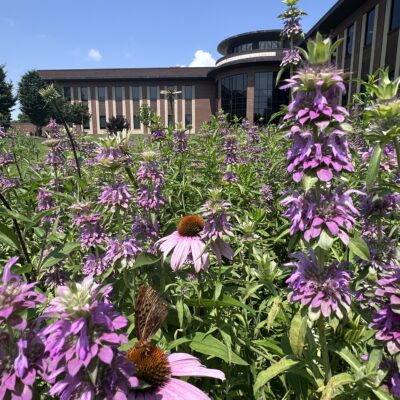
Reliable, drought-tolerant seed mix for a pollinator meadow.
Yarrow, Lance-Leaved Coreopsis, Blue False Indigo, Wild Bergamot, Common Milkweed, Butterfly Milkweed, Black-eyed Susan, Goat’s Rue, Large Coreopsis, Spotted Beebalm, Greyheaded Coneflower, Spiked Blazing Star, Purple Coneflower, Rattlesnake Master, False Sunflower, Joe-Pye Weed, White Wingstem, Perplexed Tick-trefoil, Partridge Pea, Hairy Mountain Mint, Smooth Aster, Iron Weed, Tall Goldenrod, Little Bluestem, Indian Grass, Switchgrass & Tall Dropseed
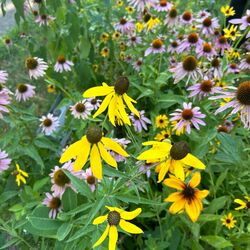
Very tall, suggested for fence line planting. Suitable for dry to wet soil.
Yellow Wild Indigo, Common Milkweed, Butterfly Milkweed, Black-eyed Susan, Lemon Mint, Large Coreopsis, Spiked Blazing Star, Purple Coneflower, False Sunflower, Wild Bergamot, Golden Alexanders, Evening Primrose, Joe-Pye Weed, Swamp Milkweed, Cardinal Flower, New England Aster, Smooth Aster, Rigid Goldenrod, Little Bluestem, Indian Grass, Virginia Wildrye & Switchgrass
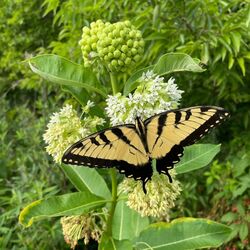
Adopt-a-garden program
2026 Pollinator ambassador training registration now closed
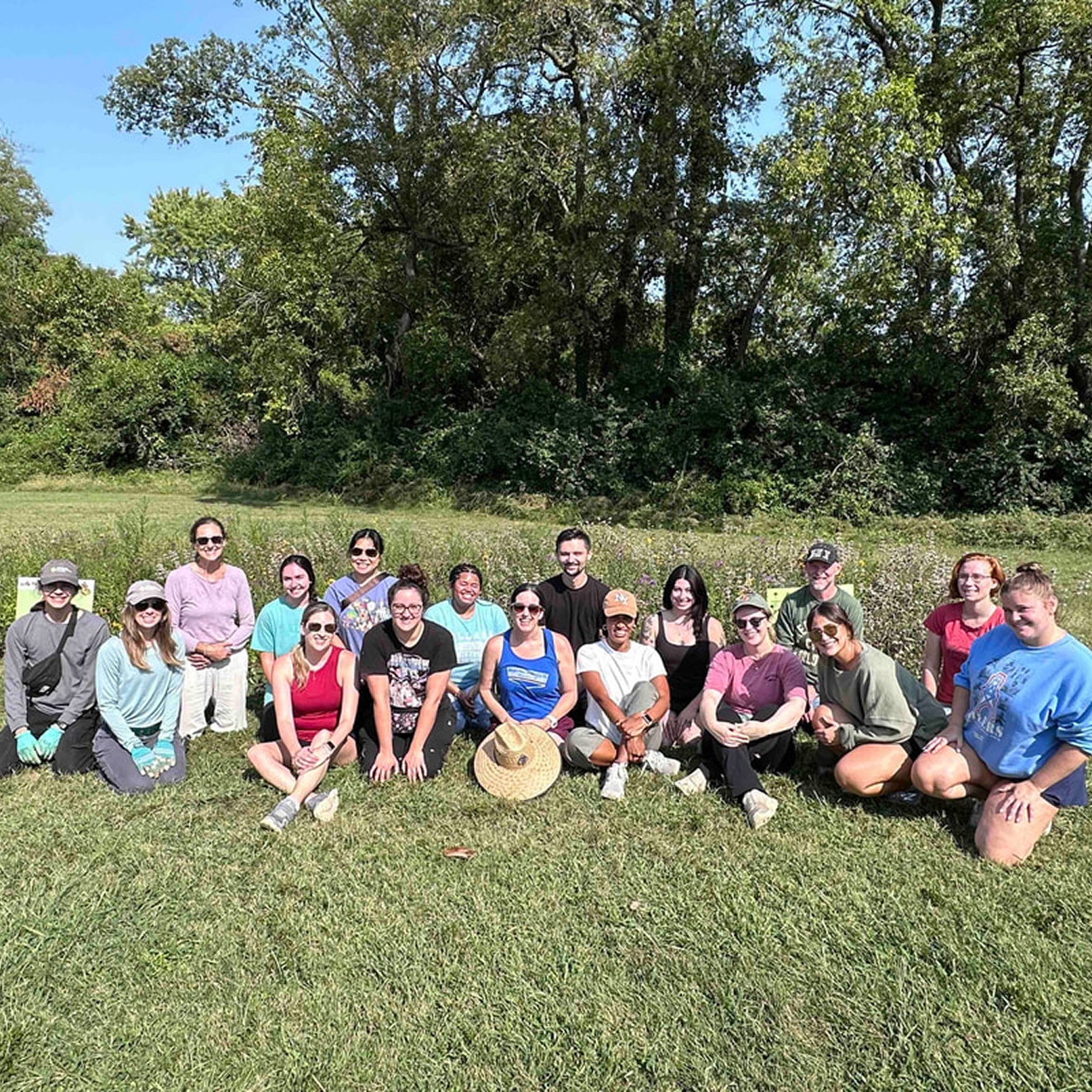
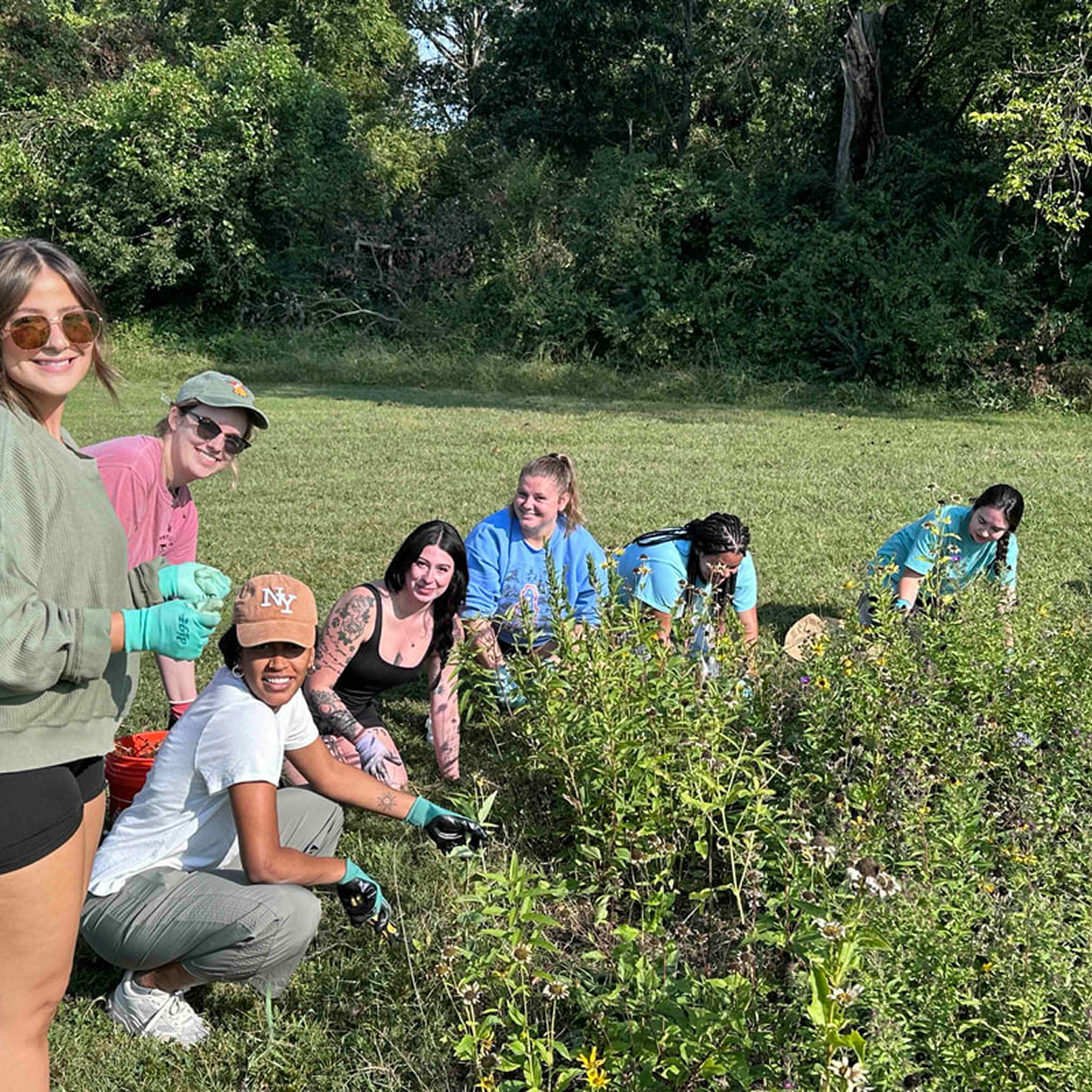
TEC Pollinator Ambassadors advocate for native bees, butterflies, and other pollinators across Tennessee, helping TEC raise awareness and inspire community action through education, outreach, and hands-on engagement.
Getting Started
Fall through late winter is the best time to sow your native wildflower and grass seeds. Many wildflower seeds require cold stratification for a higher germination rate. This means they must be exposed to freezing temperatures below 40 degrees Fahrenheit to undergo a dormancy period before germinating. In nature, seeds undergo a dormancy phase during the wintertime. Therefore, we suggest planting seeds in the fall or winter. If you plan to plant them after the cold season, we recommend refrigerating the seeds for at least 30 days before planting.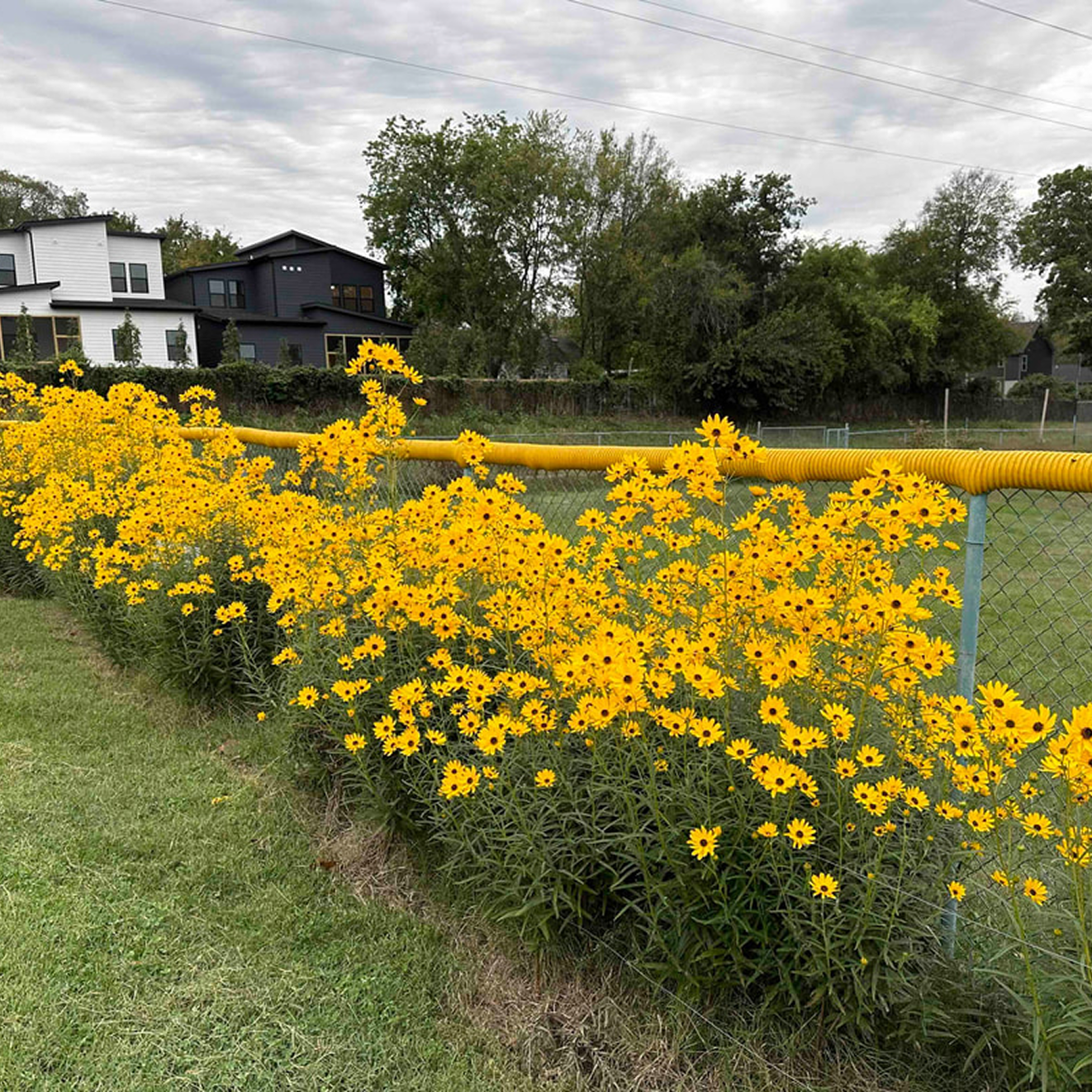

Check Out Our
Pollinator Garden Guide
Notice what’s blooming and learn what pollinators are doing each season.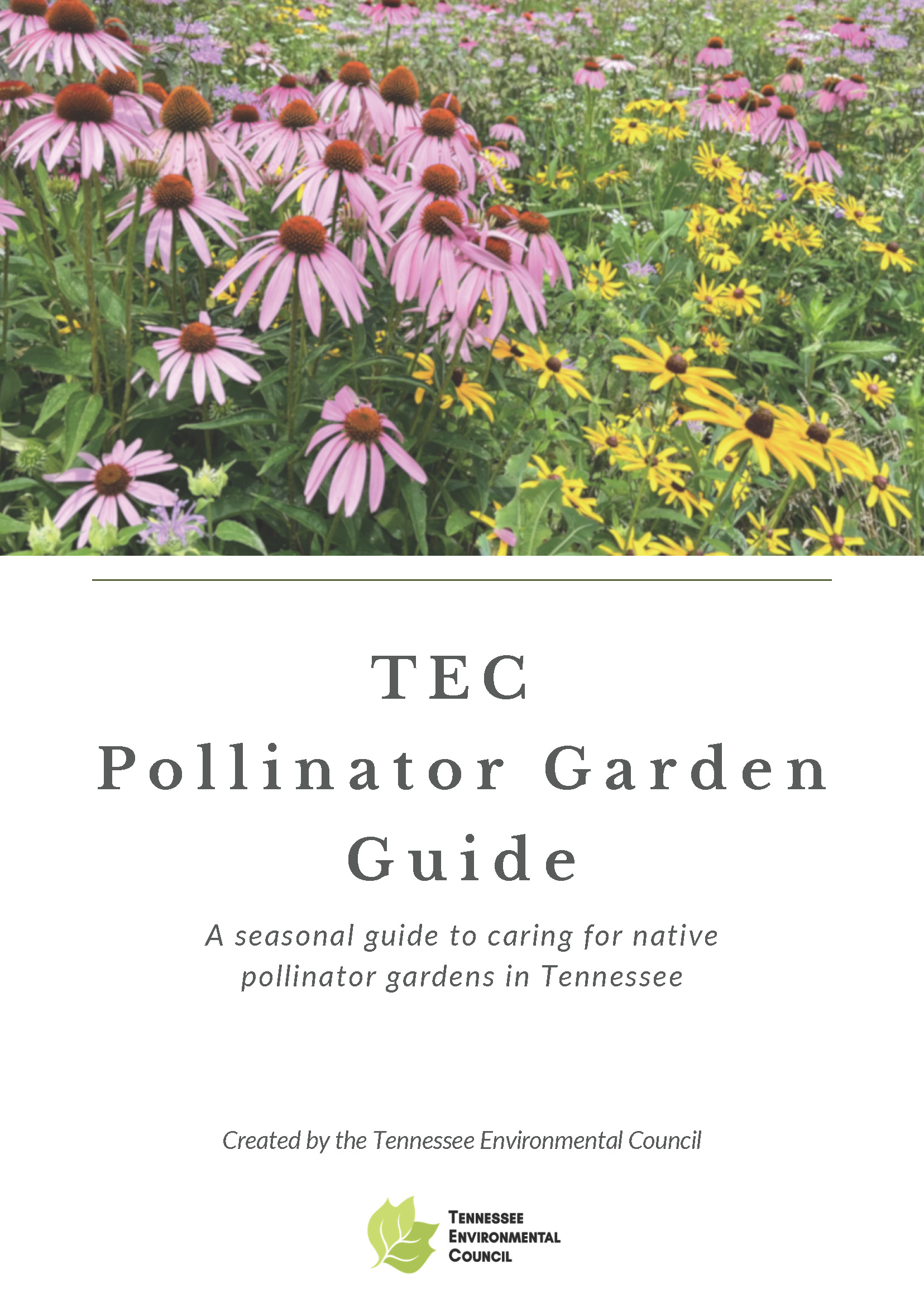
Check out TEC's gardens!
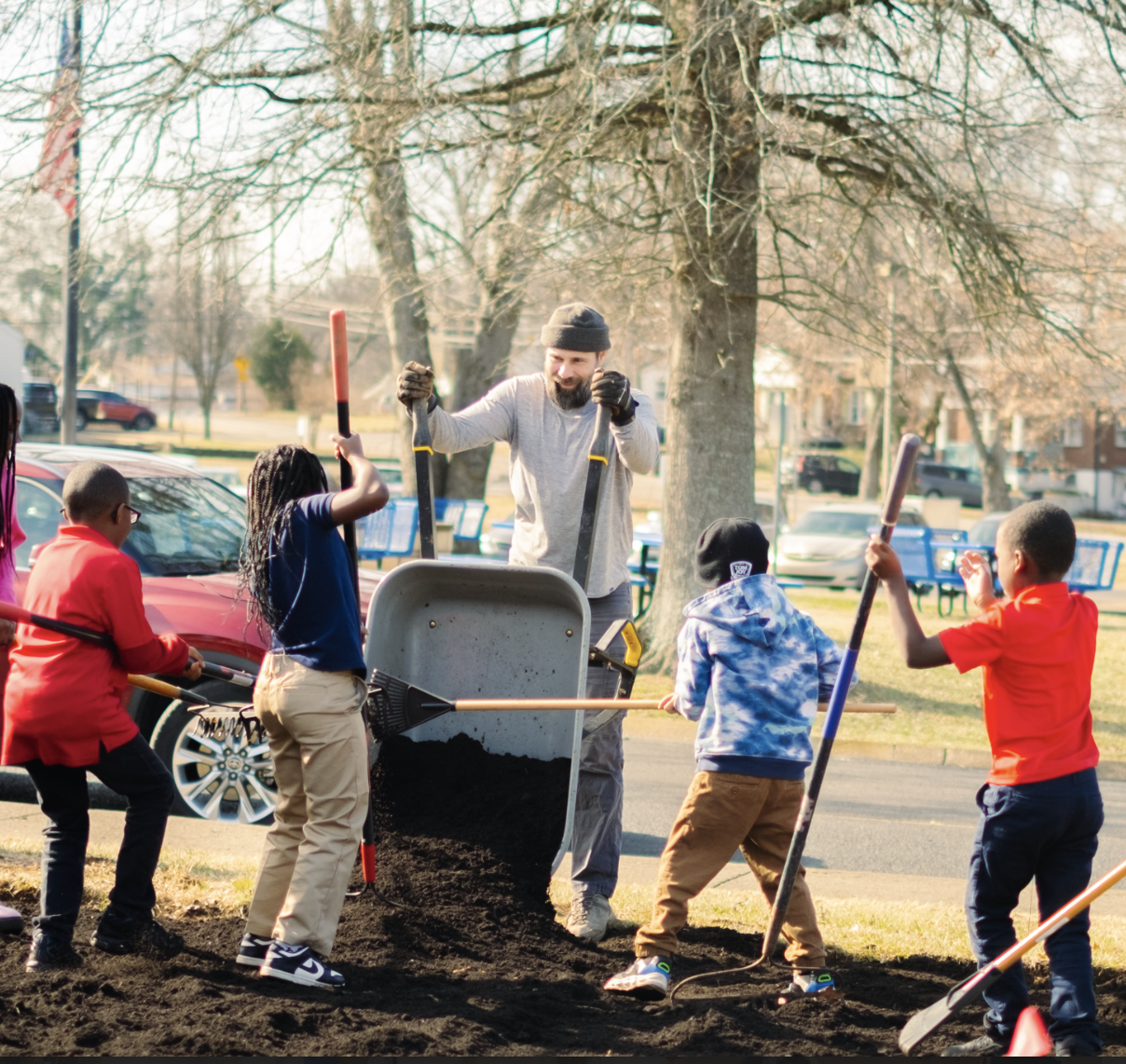
We have established gardens at various public schools, libraries, churches, and parks. Click a Garden below to learn more:
- Stratford STEM High School, East Nashville (est. 2021)
- Lebanon Farmer’s Market (est. 2022)
- Portland Ave Pocket Park (est. 2023)
- East End Prep, East Nashville (est. 2023)
- Aldersgate United Methodist (est. 2023)
- Martin Luther King Jr. High School, Nashville (est. 2023 & 2025)
- Isaac Litton Middle School, East Nashville (est. 2023)
- Merrol Hyde Magnet, Hendersonville (est. 2024)
- Glengarry Elementary, Nashville (est. 2024)
- Williamson County Public Library, Franklin (est. 2024)
- Meigs Middle Magnet School, East Nashville (est. 2024)
- Ravenwood High School, Brentwood (est 2024)
- Antioch High School, Antioch (est. 2024)
- Hillsboro High School (est. 2024)
- Knox Doss Middle School, Hendersonville (est. 2024)
- Hawkins Middle School, Hendersonville (est. 2024)
- Dan Mills Elementary, East Nashville (est. 2024)
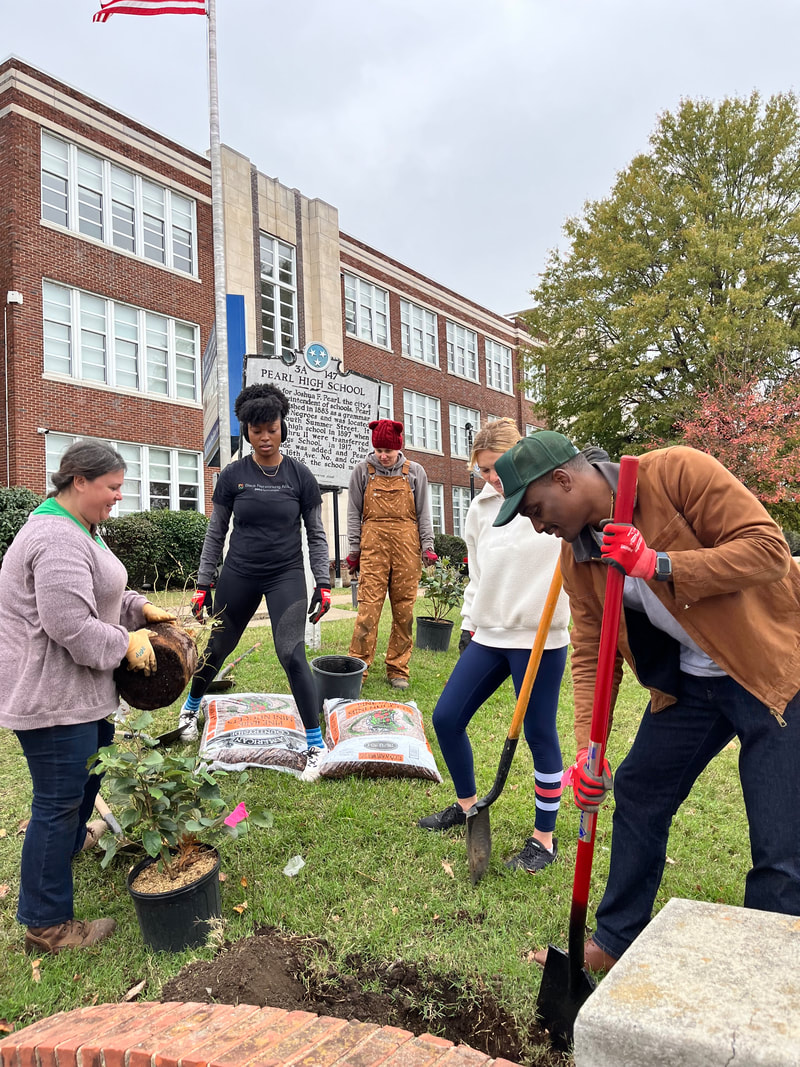
- Westmoreland Middle School, Westmoreland (est. 2024)
- Portland Middle School, Portland (est. 2024)
- Shafer Middle School, Gallatin (est. 2024)
- Rucker Stewart Middle School, Gallatin (2024)
- Tulip Grove Elementary, Hermitage (est. 2024)
- Tom Joy Elementary, East Nashville (est. 2025)
- Heritage Middle School, Thompson’s Station (est. 2025)
- St. Bernard Academy, Nashville (est. 2025)
- Wright Middle School (est. 2025)
- Liberty Elementary (ets. 2025)
- McMurray Middle School (est. 2025)
- Warner Arts Elementary (est. 2026)
get your yard sign!
This sign will show your friends and neighbors that your wildflower garden supports pollinators and hopefully get them excited about starting a pollinator garden too! Our original sign is made from embossed, recycled aluminum and measures 12 x 8 inches. They are available for a $35 donation and can be shipped directly to you. To get yours now, click the button below!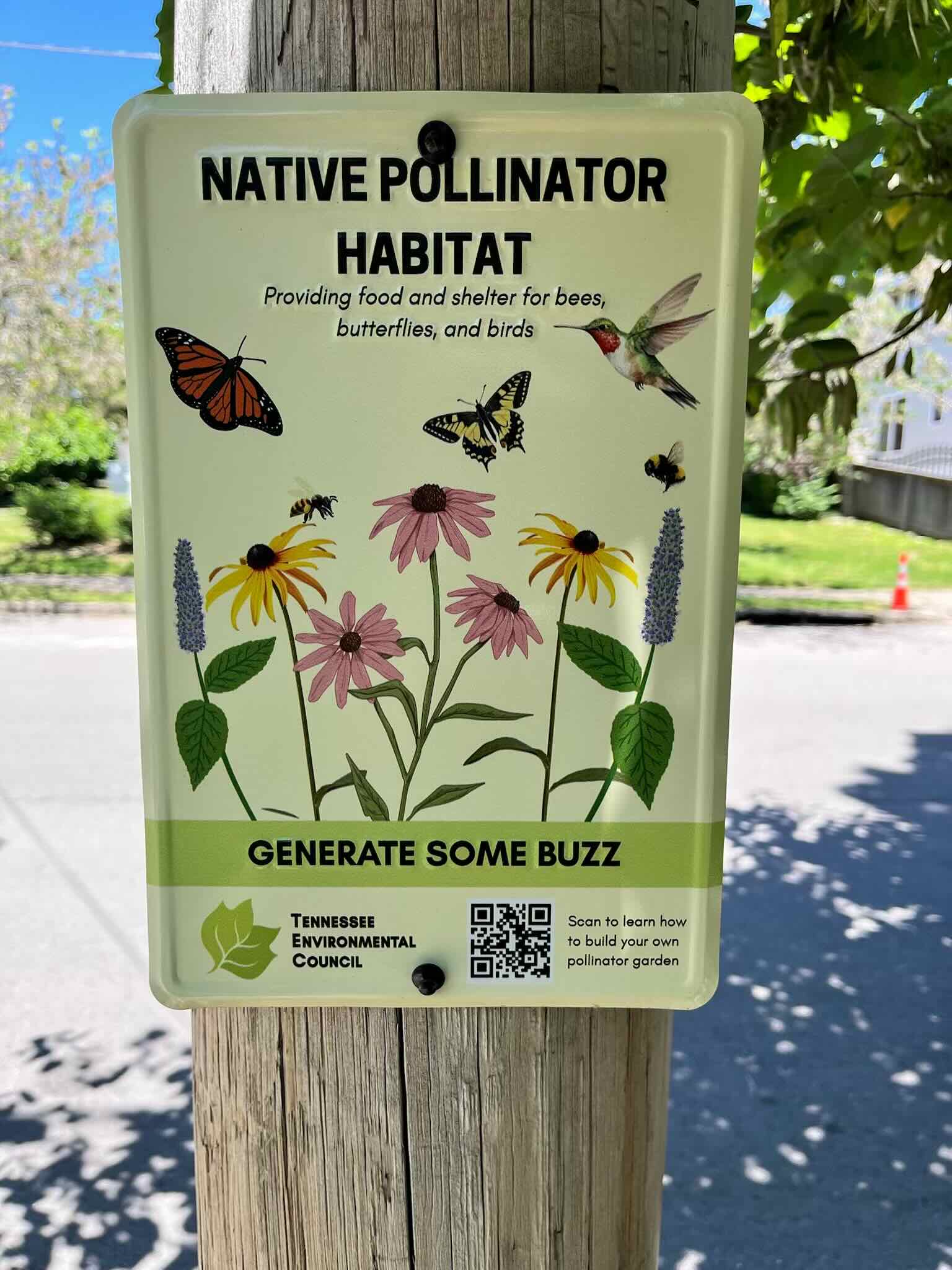
388,142 Square feet of new pollinator habitat established in Tennessee
Program Partners








This material is based upon work supported by the U.S. Department of Agriculture, under agreement number NR204741XXXXG003. Any opinions, findings, conclusions, or recommendations expressed in this publication are those of the author(s) and do not necessarily reflect the views of the U.S. Department of Agriculture. In addition, any reference to specific brands or types of products or services does not constitute or imply an endorsement by the U.S. Department of Agriculture for those products or services.”
USDA is an equal opportunity provider and employer.