
Where Does Our Trash Go?
What Is Solid Waste?
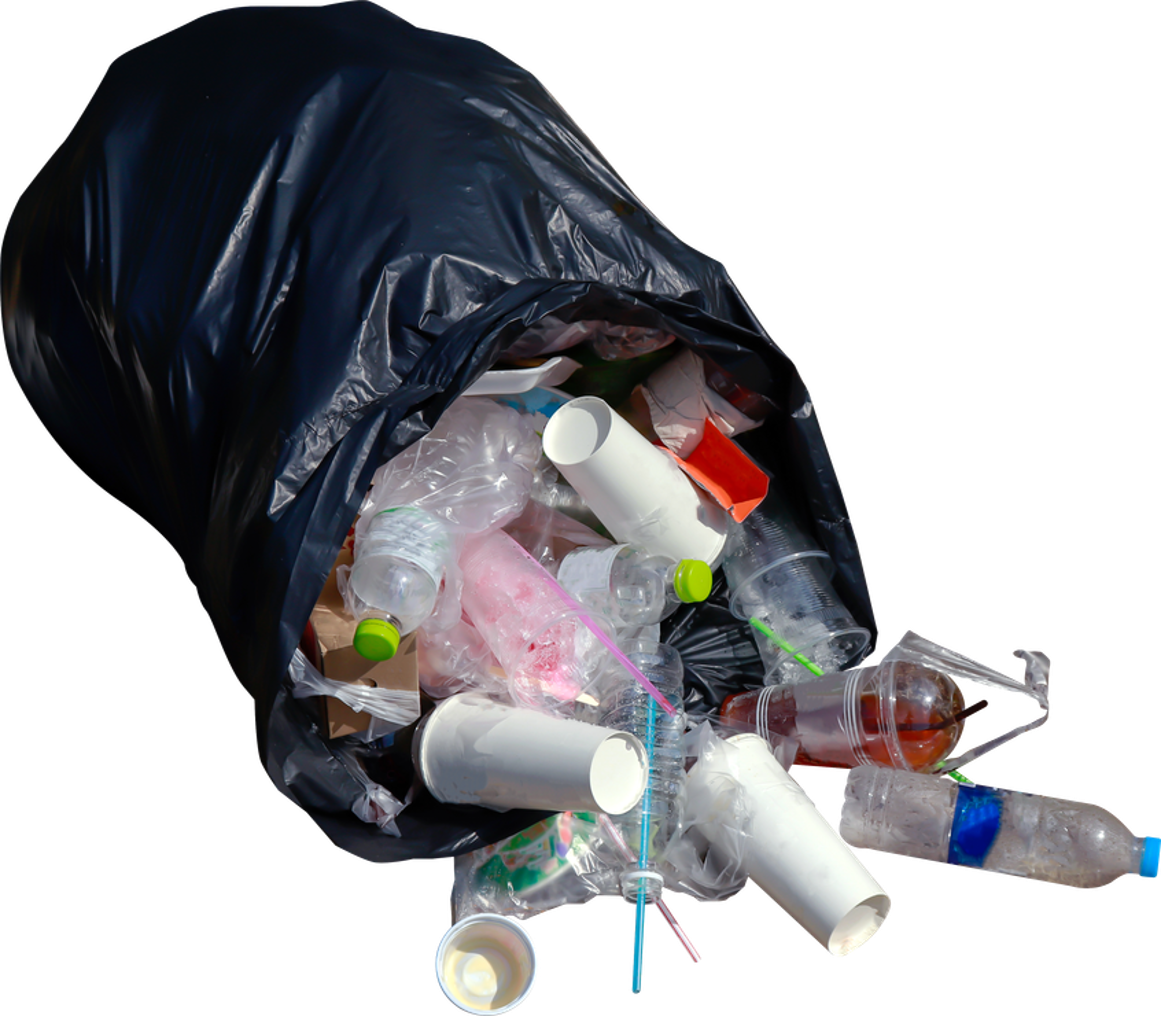
Solid waste is garbage and other items that are discarded. Just about everything we do leaves behind some type of refuse. A few examples include food scraps, packaging, and electronics.
You may now be wondering, does it all go to landfills? No, in fact, there are three common destinations for solid waste. First, as mentioned, are landfills. Landfills are specific areas where substantial amounts of waste are taken, compacted, and covered (there is more than one type of landfill). Second are recycling facilities. Recycling facilities are where used items are collected, sorted, and processed to be reused. Lastly, there are composting facilities. Composting facilities are where items such as food scraps are biologically decomposed by microorganisms, which produces nutrient-rich compost that can improve soil health.
You can check out how Tennessee manages solid waste through permits, registrations, and approvals here.
How Does Solid Waste Affect Our Environment and Health?
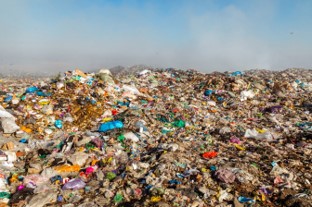
Air and land pollution can happen if the waste is improperly disposed of. When trash is dumped improperly, it can ultimately affect the health of humans, wildlife, and the environment. The contaminants can get into the soil and water through chemical runoff and the breakdown of the solid wastes.
Wildlife can also be affected by improperly discarded waste. Animals such as mammals, fish, and birds may accidentally consume plastics and other trash, resulting in digestive problems, injuries, and sometimes death.
Now, let’s look at the human health effects. Improperly discarded hazardous chemicals can create exposure risks. Depending on the chemical, amount, route, and duration of exposure, health effects can range from mild symptoms to serious illnesses. Burning trash can also release harmful air pollutants, potentially causing respiratory problems and other health concerns.
Water contamination is another concern. For example, PFAS, commonly called “forever chemicals,” can enter water sources through pathways such as contaminated landfill leachate. Leachate is liquid that forms when water passes through landfill waste, potentially carrying contaminants. Accumulated waste can also attract pests, potentially increasing the risk of disease transmission.
Giving Waste a Second Life
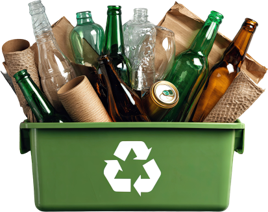
Not everything we throw away has to end up in a landfill. Recycling and composting are two ways we can reduce the amount of waste sent to landfills. Recycling allows materials such as paper, cardboard, metal, and certain plastics to be repurposed into new products. This helps conserve natural resources and reduces the need for new materials.
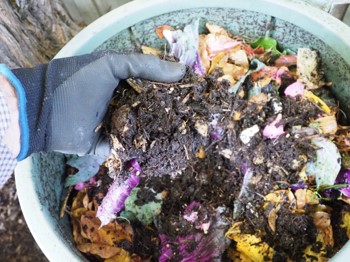
Composting is a little bit different. Instead of throwing away food scraps and yard waste, these organic materials can break down naturally into nutrient-rich compost that supports healthy soil and plant growth. Composting can also help reduce methane emissions by keeping organic waste out of landfills.
What Can Tennesseans Do?
Reducing waste is generally preferable to managing it after disposal. Fortunately, there are simple steps we can take to reduce waste and protect our environment.
- Reduce: Purchase only what is needed and limit unnecessary packaging.
- Reuse: Donate, repair, or repurpose items before throwing them away.
- Recycle: Follow local recycling guidelines.
- Compost: Consider composting appropriate food scraps and yard waste.
- Dispose responsibly: Take batteries, electronics, and household hazardous waste to designated collection locations.
Tennessee has a Household Hazardous Waste Program that can help you with this last goal. Read more about it here.
Want to learn more about recycling in Tennessee? Check out the Tennessee Environmental Council’s Recycling Initiative for additional information and resources.
Small Changes Make a Difference
While we may not think much about our trash once it leaves our homes, its impact can last much longer. By making thoughtful decisions about what we purchase, reuse, recycle, and discard, we can help protect Tennessee’s environment, wildlife, and the health of our communities.
References
Busch Systems. (n.d.). What is a landfill? https://www.buschsystems.com/glossary-term/what-is-a-landfill/
EarthDay.org. (2025, September 22). How our trash impacts the environment. https://www.earthday.org/how-our-trash-impacts-the-environment/
Enva. (n.d.). Impact of chemical waste on water streams. https://enva.com/news-insights/impact-of-chemical-waste-on-water-streams
Indiana Department of Environmental Management. (n.d.). Health risks and environmental impacts. https://www.in.gov/idem/openburning/health-risks-and-environmental-impacts/
Kennedy, N. (2025, March 17). “Disposable”: How waste impacts our health. Green Umbrella. https://greenumbrella.org/disposable-how-waste-impacts-our-health/
Kisseadoo, S. V. A. (2023). Land pollution. EBSCO. https://www.ebsco.com/research-starters/environmental-sciences/land-pollution/
Michigan PFAS Action Response Team. (n.d.). PFAS 101. State of Michigan. https://www.michigan.gov/pfasresponse/faq/categories/pfas-101
Tennessee Department of Environment and Conservation. (n.d.). Solid waste. https://www.tn.gov/environment/program-areas/solid-waste/sw.html
Tennessee Department of Environment and Conservation. (n.d.). Household hazardous waste program. https://www.tn.gov/environment/program-areas/solid-waste/materials-management/hhw-program.html
Tennessee Environmental Council. (n.d.). Recycling initiative. https://tectn.org/get-involved/recycling-initiative/
U.S. Environmental Protection Agency. (2026, June 23). Basic information about landfills. https://www.epa.gov/landfills/basic-information-about-landfills
U.S. Environmental Protection Agency. (n.d.). Basic information about landfill gas. https://www.epa.gov/lmop/basic-information-about-landfill-gas
U.S. Environmental Protection Agency. (n.d.-a). Composting at home. https://www.epa.gov/recycle/composting-home
U.S. Environmental Protection Agency. (n.d.-b). Criteria for the definition of solid waste and solid and hazardous waste exclusions. https://www.epa.gov/hw/criteria-definition-solid-waste-and-solid-and-hazardous-waste-exclusions
U.S. Environmental Protection Agency. (n.d.-c). Health and ecological hazards caused by hazardous substances. https://www.epa.gov/emergency-response/health-and-ecological-hazards-caused-hazardous-substances
U.S. Environmental Protection Agency. (n.d.-d). Overview of greenhouse gases. https://www.epa.gov/ghgemissions/overview-greenhouse-gases
Photo Credits:
© HALUSTD from Popspixel from Trendify via Canva.com
© Collab Media’s Images via Canva.com
© John Porter from Getty Images via

LaDonna Gaines is an environmental health nurse, writer, and host of The Environmentalist Nurse Podcast. Her work focuses on helping communities understand how protecting our environment also protects public health through education, advocacy, and evidence-based communication.