Why Birds Matter More Than You Think
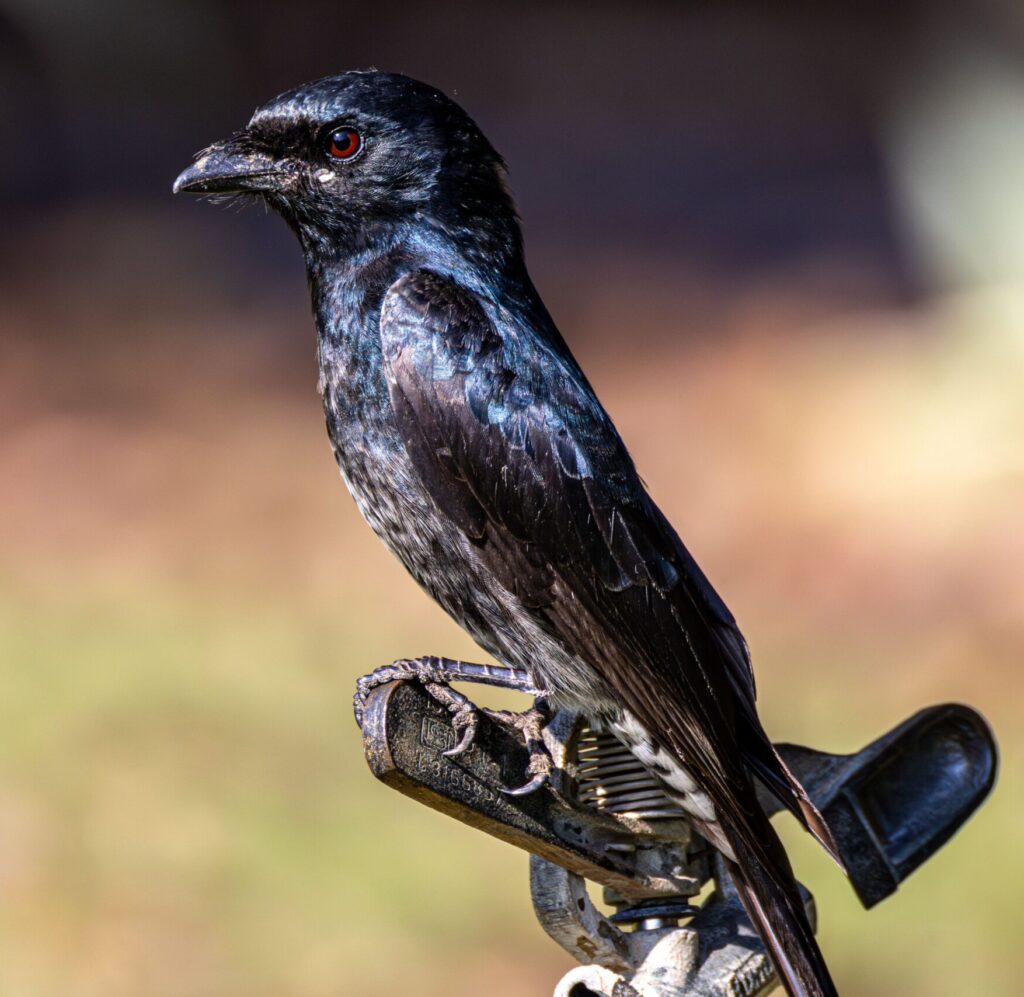
Imagine you’re taking an evening walk through the park when thousands of birds suddenly fly overhead. It’s an incredible sight. Your first thought might be, What’s going on? Then you wonder, What kind of birds are those? Each summer, one of North America’s largest purple martin roosts gathers in the Nashville area, attracting thousands of these beautiful birds before their fall migration back home to South America. By late summer, after the breeding season has ended, purple martins gather in large communal roosts near large bodies of water and in some urban and suburban areas that provide protection from predators.
It’s important to note that Nashville is a part of the Urban Bird Treaty Program (https://nashvilleurbanbirdcity.org/). One goal of the program is to help conserve bird populations in urban areas. Another goal is to provide conservation stewardship avenues for residents in metropolitan areas.
Keep reading to learn more about purple martins, why they’re important, and what they can teach us about environmental health.
Purple martins are more than beautiful birds. They can also serve as indicators of ecosystem health. Changes in bird populations can signal changes in habitat quality, insect populations, or environmental conditions that may ultimately affect people, too.
Purple Martins and the Health of Our Ecosystems
Let’s take a closer look at purple martins and the important role they play in healthy ecosystems. Purple martins are songbirds and are the largest of the swallow family in the United States and Canada. Per The Purple Martin Conservation Association, purple martins are what is known as aerial insectivores, which means they eat insects while they are flying. Their diet mostly consists of dragonflies, butterflies, beetles, wasps, moths, flies, and more. They do not typically eat mosquitoes, because of this, we should not expect them to help keep the mosquito population in check. The purple martins that reside in the eastern part of the United States, predominantly rely on nesting houses created by people. Therefore, to thrive, they depend on large insect populations and an appropriate nesting habitat.
Healthy bird populations reflect healthy ecosystems. Not only are they enjoyable to watch and hear, but they also help maintain ecological balance by feeding on a wide variety of insects. Their presence can indicate healthy habitats with abundant food sources. As previously mentioned, declines in bird populations may signal broader environmental changes that deserve our attention.
How Pesticides Affect Birds (and Humans)—and Why It Matters
One of the greatest human-related threats to purple martins is the widespread use of pesticides. Pesticides can harm the birds if they ingest them or get them on their bodies. Pesticides are substances designed to control unwanted pests. They include insecticides, herbicides, fungicides, and rodenticides. Insecticides are commonly used and, therefore, they reduce the amount of insects available to the purple martins to eat. When there is less for them to eat, it could mean that there may be fewer healthy chicks, which then could lead to a decline in the purple martin population.
Why does this matter? Birds play many important roles in healthy ecosystems. They naturally help control insect populations, pollinate plants, scatter seeds, and help to fertilize with their waste. Together, these services support healthy forests, fruitful farmland, and resilient ecosystems that benefit both wildlife and people. Healthy bird populations are one sign of healthy biodiversity. Biodiversity supports clean water, healthy soils, productive agriculture, and resilient ecosystems. Reducing unnecessary pesticide use helps protect wildlife while limiting environmental contamination.
The effects of pesticides aren’t limited to wildlife. People can also be affected, although the health effects of pesticides vary depending on the type of pesticide, the amount of exposure, and how someone is exposed. Some pesticides can irritate the skin or eyes, while others—such as certain organophosphates—can affect the nervous system. Research has also linked long-term exposure to some pesticides with increased cancer risk and harmful effects to the endocrine (hormone) system. By limiting unnecessary pesticide use, we can help protect purple martins, preserve healthy ecosystems, and reduce potential health risks for people.
What You Can Do
To help keep purple martins safe, there are several actions you can take. One of the easiest to do, is limit the use of pesticides. This can be beneficial for both purple martins and humans. You can plant native flowers and shrubs. Native flowers support healthy insect populations, which provide food for purple martins and many other birds. Consider supporting Integrated Pest Management (IPM). IPM focuses on preventing pests and using the least harmful control methods only when necessary, reducing risks to people, wildlife, and the environment. You can read more information about this system here.
If you are able, install or maintain purple martin housing where you can. Keep cats indoors to protect birds. Wild animals such as raccoons and squirrels will raid nests and eat bird eggs and/or baby birds, so avoid putting any housing where these animals are prominent.
A Shared Future
Protecting purple martins isn’t just about conserving one bird species—it’s about supporting healthy ecosystems that sustain wildlife and people alike. The small choices we make in our homes and communities can create cleaner environments, healthier habitats, and a more resilient future wildlife. Healthy environments aren’t just good for wildlife—they’re essential for human health, too.
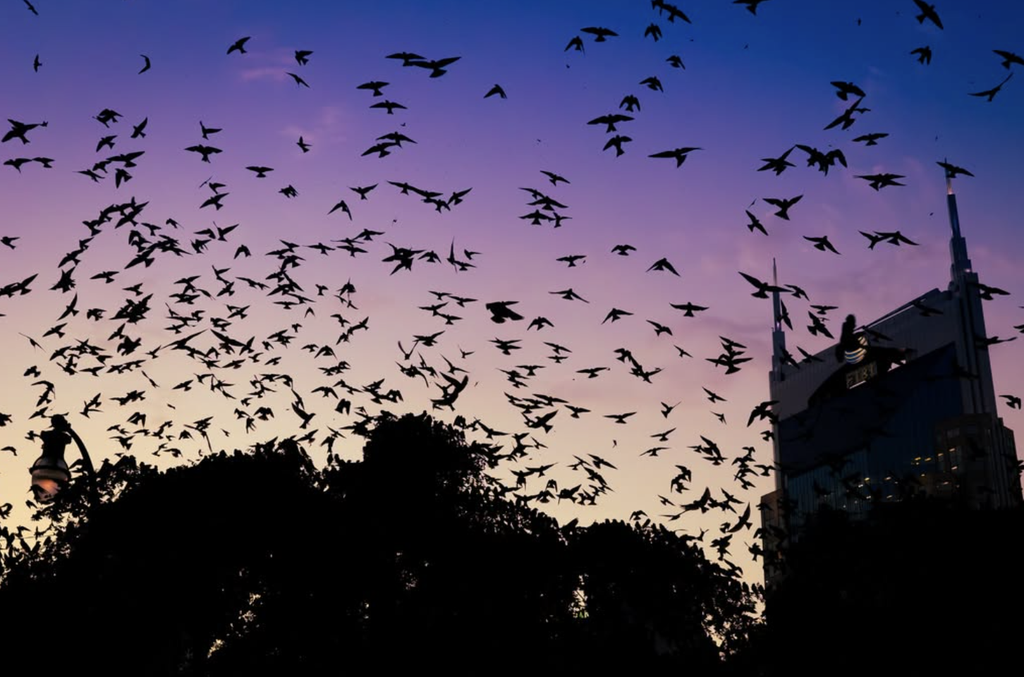
Picture by Terry Cook and Alan Plummer, taken from the @nashvilleurbanbird Instagram account
References
Environmental Protection Agency. (2025). Integrated pest management (IPM) principles. https://www.epa.gov/safepestcontrol/integrated-pest-management-ipm-principles
Environmental Protection Agency. (2025). Pesticides. https://www.epa.gov/pesticides
Environmental Protection Agency. (2025). Potential health effects of pesticides. https://www.epa.gov/pesticide-science-and-assessing-pesticide-risks/potential-health-effects-pesticides
Purple Martin Conservation Association. (n.d.). Learn about purple martins. https://www.purplemartin.org/
Forest Preserve District of Will County. (n.d.). The importance of birds in the ecosystem. https://www.reconnectwithnature.org/news-events/the-buzz/why-birds-are-important/
Tennessee Wildlife Resources Agency. (n.d.). Purple martin. https://www.tn.gov/twra/
Friends of Warner Parks. (2026, July 16). Music City’s purple martin phenomenon. https://warnerparks.org/music-citys-purple-martin-phenomenon

LaDonna Gaines is an environmental health nurse, writer, and host of The Environmentalist Nurse Podcast. Her work focuses on helping communities understand how protecting our environment also protects public health through education, advocacy, and evidence-based communication.