Most of us think that butterflies are beautiful and we enjoy seeing them out in nature. But, have you ever stopped to think about if they have a job to do? The same can be said for the very small, but mighty hummingbird. So, what do these two have in common? They’re both pollinators. Yes, that’s correct. I bet you thought that only honeybees were pollinators! These small, beautiful insects and birds work very hard to support Tennessee’s plants, wildlife, food systems, and ecosystems. Today, we’ll discuss pollinators, what they do, and how this affects our health.
What Exactly Is a Pollinator?
According to the USDA Forest Service, pollination is defined as “…the act of transferring pollen grains from the male anther of a flower to the female stigma.” This process is what helps to create the next generation of the particular flower. So, how does the pollen get transferred? This is where pollinators step in. While pollinators are not the only way that pollen can be transferred, they are a big and important source of this process. There are several different animals and insects that can be considered pollinators, a few examples include bees, butterflies, moths, and hummingbirds.
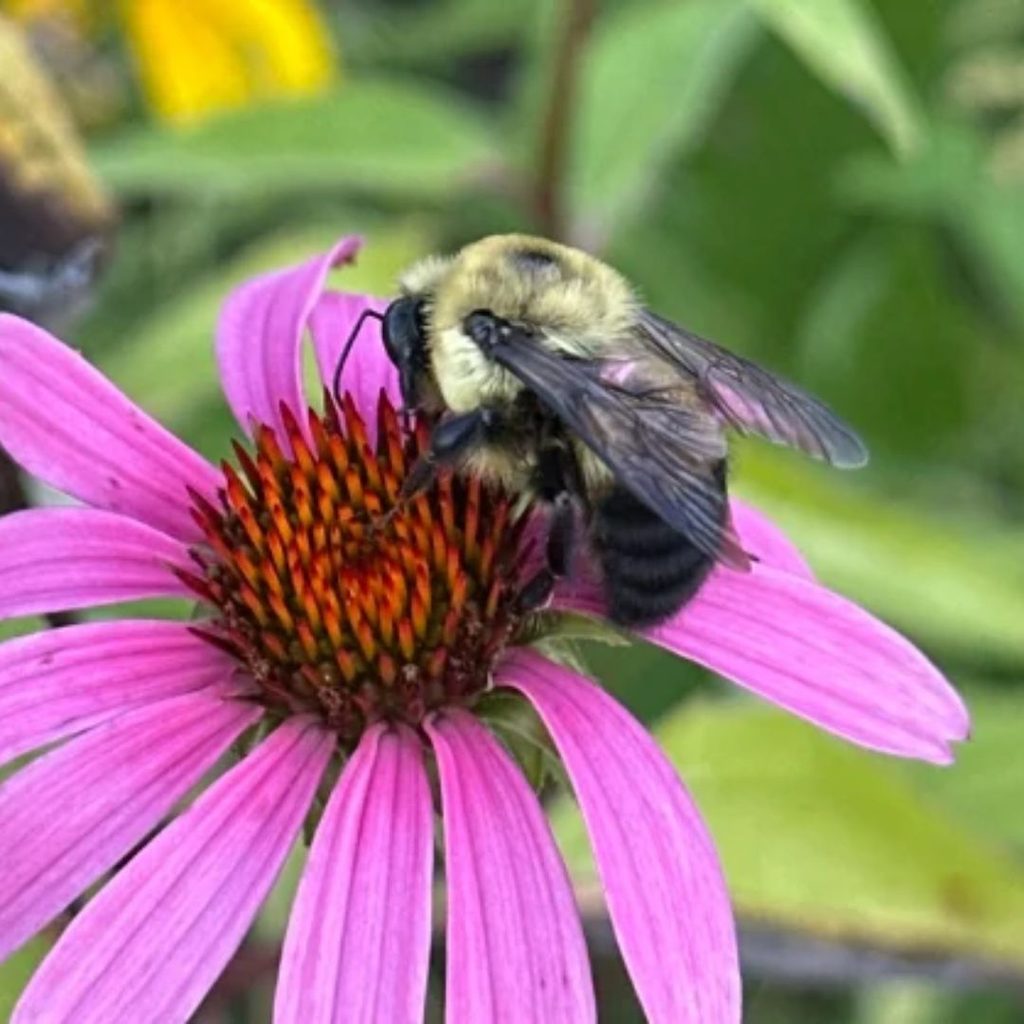
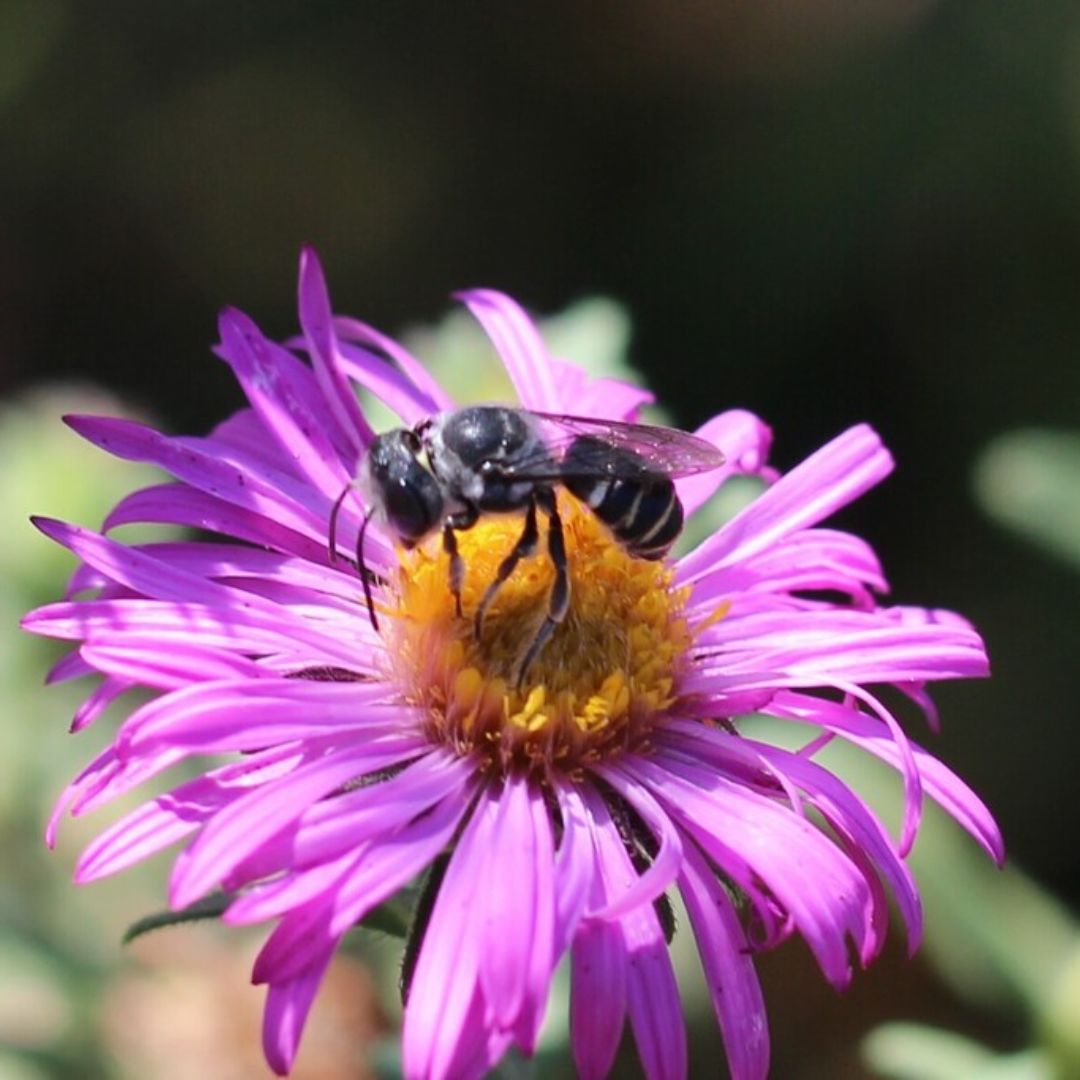
Fun Fact: Although honeybees may be the pollinator most people recognize, they are not native to North America. European settlers introduced them centuries ago. Since most people are familiar with honeybees, let’s spend a little time on the other bees found in Tennessee. There are over 350 species of native bees in Tennessee. Some of the more common groups include sweat bees, mason and leafcutter bees, and miner and digger bees. These native bees play an important role in pollinating Tennessee’s plants and crops.
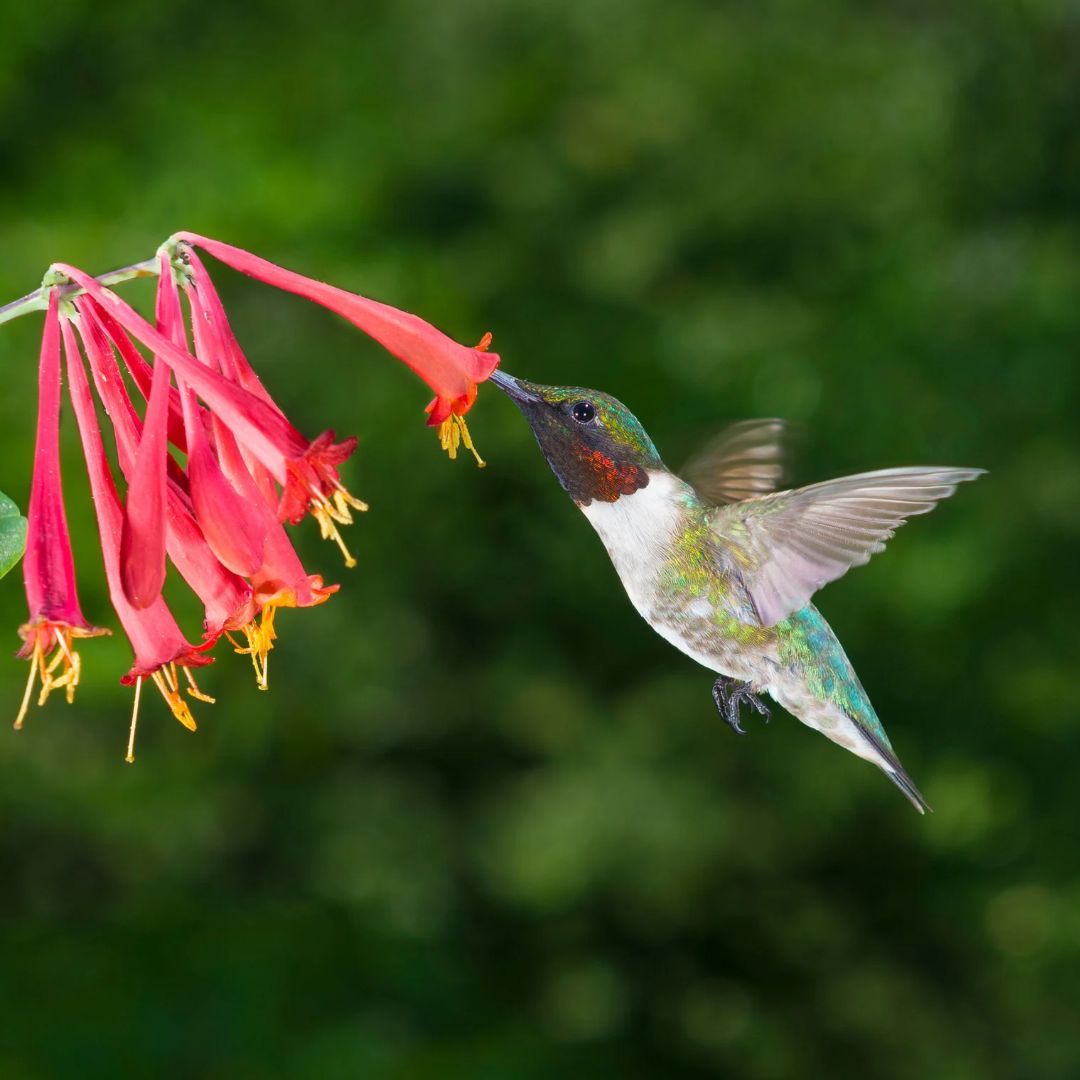
I’d also like to spend some time talking about hummingbirds. They are the most common bird pollinators. As hummingbirds drink nectar, pollen can collect on their foreheads and beaks. As they travel from flower to flower, they help transfer that pollen along the way.
Why Pollinators Matter
As previously mentioned, pollinators are important in the reproduction of flowering plants. However, they also play an important role in the production of fruits, seeds, and other foods. By helping flowering plants reproduce, pollinators also help maintain habitats and food sources for wildlife. Pollinators and other insects help form the foundation of food webs that ultimately support birds and other wildlife, such as the Purple Martins, mentioned in last month’s blog. This is biodiversity at its finest. Everyone depends on each other to thrive. Here is another Fun Fact: According to the U.S. Fish & Wildlife Service, “It is estimated that as much as 35 percent of the world’s food crops depend on animal pollinators to reproduce.” There are several crops that would disappear or significantly diminish without pollinators.
What’s Threatening Pollinators?
So, why is this so important for you to know you may ask. Well, there are several threats to pollinators. Let’s start with habitat loss and fragmentation. The habitats that pollinators need to thrive are being lost or fragmented by development, changes in land use, and the spread of non-native plants. Next is pesticide exposure. Pesticide exposure can occur when pollinators encounter treated plants, contaminated pollen or nectar, or pesticide drift. This can harm pollinators and other animals. Climate change is affecting pollinators as well. Climate change can alter flowering times, interactions between pollinators and the plants they depend on, and more. These changes can affect the areas where pollinators live, as well as where their food comes from. They need the right conditions to live. Lastly, let’s look at how invasive species affect pollinators. Invasive plants can displace native vegetation that pollinators rely on for food and habitat. Invasive species may also alter ecosystems or introduce new diseases and other harmful issues that affect native pollinator populations.
Pollinators, Food, and Human Health
So how do pollinators actually have an effect on human health? Well, it’s all part of a process. The process looks like this: Healthy pollinator populations → plant reproduction → strong ecosystems and food production → benefits for people and communities. As previously mentioned, pollinators affect approximately thirty-five percent of the world’s crop production. The types of crops include orchards, horticulture, forage, seed for root, and fiber crops. Not only do pollinators contribute to the amount and caliber of food we eat, but many pollinator-dependent crops supply important micronutrients and vitamins necessary for balanced diets. Without these crops, human health is at risk. We rely on these foods for healthy diets. Healthy diets are essential to living healthy lifestyles. The foods we eat can play a big role in how we feel and how we show up in the world. Protecting pollinators, therefore, isn’t just about protecting plants and wildlife. Pollinators also play an important role in supporting human health.
Creating a Pollinator-Friendly Tennessee
So what can you do to help pollinators? There are several actions you can take. One easy way to start is to replace portions of your traditional yard or lawn with native habitat. Plant native flowering species. With this, make sure to choose plants that bloom during different parts of the year. Leave some natural habitat, stems, leaves, or bare ground where appropriate. Other actions you can do around your own home are to reduce unnecessary pesticide use and provide water sources (a shallow water dish or floating landing pads) safely. Lastly, but certainly not least, support local conservation and habitat-restoration projects. TEC has a Pollinator Initiative. Through this initiative, you can order seeds for native Tennessee plants and help rebuild pollinator habitat. I encourage you to check out the Pollinator Initiative page for more information (there’s an amazing Pollinator Garden Guide, as well as several videos), to order seeds, and learn about the Pollinator Ambassador Training program (registration will open again in early 2027).
Closing
A bee visiting a flower or a butterfly moving through a backyard can seem insignificant. But those tiny interactions are part of a much larger system connecting plants, wildlife, food, and people.
Protecting pollinators is one small way Tennesseans can help create healthier habitats and a healthier environment for all of us.
References
U.S. Geological Survey. Are honey bees native to North America?
UGS
U.S. Fish & Wildlife Service. Threats to Pollinators.
U.S. Fish & Wildlife Service
Earth.Org. Climate Change and Pollinators.
Earth.Org
Food and Agriculture Organization of the United Nations. About Pollination.
FAO
Oregon State University Extension Service. How to Reduce Bee Poisoning from Pesticides.
Oregon State University
U.S. Forest Service. What Is Pollination?
USDA Forest Service
U.S. Fish & Wildlife Service. Pollinators Benefit Agriculture.
U.S. Fish & Wildlife Service
University of California Agriculture and Natural Resources. Hummingbirds Are Pollinators, Too! UC Agriculture and Natural Resources
Tennessee Environmental Council. Pollinator Initiative.
Tennessee Environmental Council

LaDonna Gaines is an environmental health nurse, writer, and host of The Environmentalist Nurse Podcast. Her work focuses on helping communities understand how protecting our environment also protects public health through education, advocacy, and evidence-based communication.